How to Break into Marine Jobs in Australia in 5 Steps: A Guide for Skilled Tradespeople
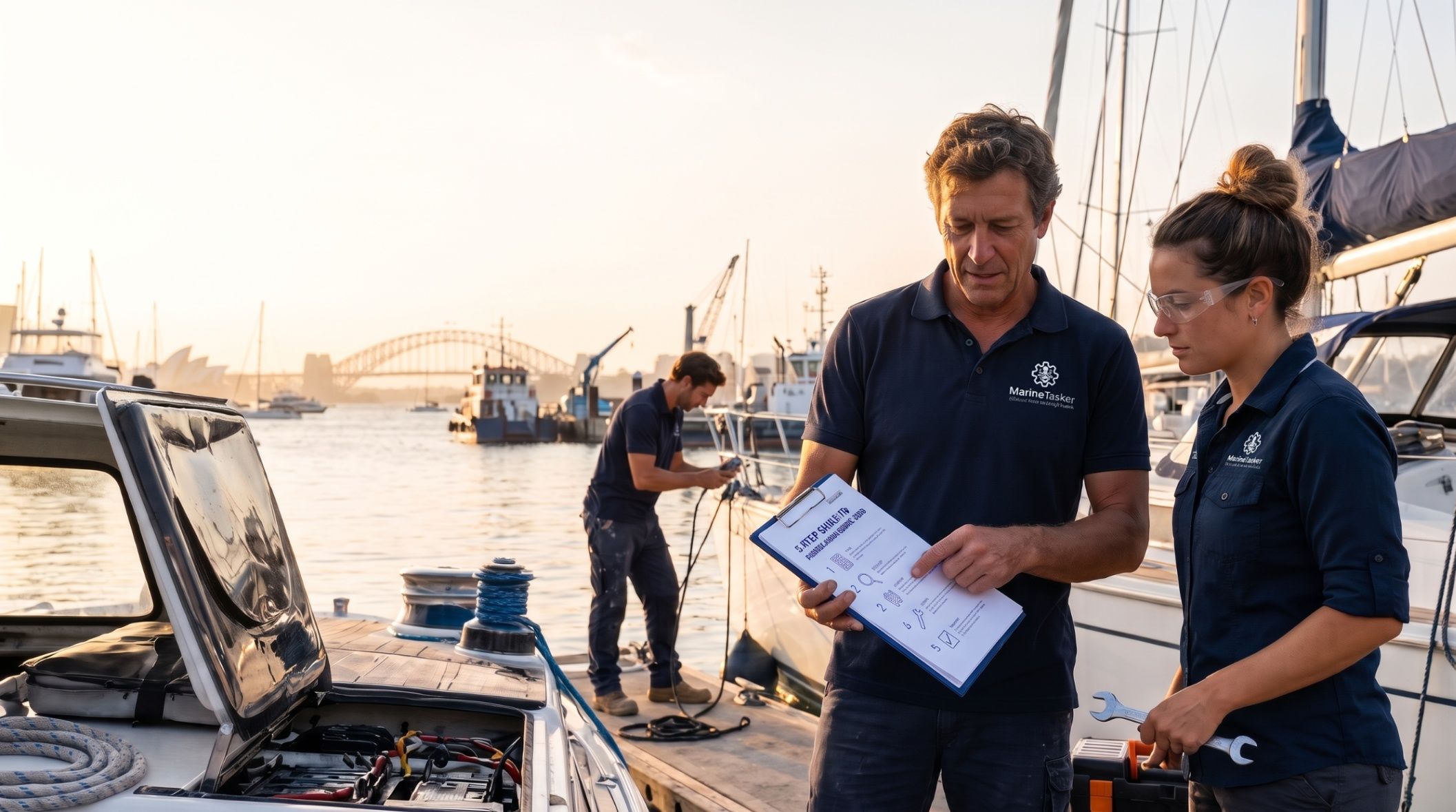
I’ve spent decades around boats, and one thing I’ve seen time and again is that the work gets done by people who know how to turn up, get stuck in and look after each other. You don’t have to grow up on a boat to build a career in the marine industry. Plenty of useful skills start on dry land.
There’s also a real need for people willing to learn. The Australian marine industry generates more than $10.2 billion a year and employs around 35,000 people across more than 2,000 businesses. In the Boating Industry Association’s (BIA) latest National Jobs & Skills Survey, 90.1% of responding businesses said they were concerned about skilled-worker shortages, 88.4% about a lack of apprentices, and 52.1% said shortages were directly affecting revenue.
That’s a lot of work waiting for capable hands. Here are five practical steps to help you find your way into marine jobs in Australia.
1. Work out where your existing skills fit
Before signing up for a course, take stock of what you already know. Many land-based trades transfer well to marine work:
- Auto electricians can build on their experience in marine electrical systems.
- Mechanics may find a path into marine engines and propulsion.
- Carpenters can explore shipwrighting, boatbuilding and repairs.
- Detailers can move into boat cleaning, polishing and maintenance.
- Welders, refrigeration technicians, upholsterers and electronics specialists all have skills that can be useful around boats.
The setting may be different, but the foundations (diagnosing faults, using tools carefully, working safely and doing a tidy job) still matter.
Marine work also keeps changing. Electric propulsion, solar installations, battery systems and onboard technology are creating new tasks. A boat may need help with battery monitoring, solar charging, marine wiring, Starlink or a new chart plotter. These jobs need people who are prepared to keep learning, and some electrical work requires specific licences or training.
You don’t need to know everything before you start. You do need to be honest about what you’re qualified to do and keen to build on it.

2. Get the right tickets for the work
There isn’t one ticket that opens every door in the marine industry. What you need depends on the job, the vessel, the worksite and where in Australia you’re working.
Ask employers what they expect before paying for training. A White Card, for example, is for construction work; it isn’t a universal marine-work card. Some marine businesses may require their own site induction or marine-specific safety training. First aid can also be useful, especially in hands-on roles or jobs where you’re working away from a larger crew.
If you’re heading into a trade, an apprenticeship is a strong route: you learn on the job while working towards a recognised qualification. Shipwrighting, boatbuilding and marine mechanics are among the trades with clear pathways. If your work involves electrical systems, check the licensing requirements in your state or territory before taking on regulated work. A short course in marine electronics doesn’t replace an electrical licence where one is required.
RYA and other recognised training pathways may suit people heading towards skippering, sailing instruction or commercial vessel work. They aren’t required for every marine trade. Start with the role you want, then find out which credentials actually apply.
For job ideas and marine-sector resources, explore the BIA’s Marine Jobs program and its apprenticeship information.
3. Start where the work is
Marine jobs aren’t only found in big boatyards. Look around local marinas, repair yards, charter fleets, boat dealers and mobile service businesses. Detailing and cleaning, seasonal antifouling work, maintenance assistance and general yard duties can be practical entry points.
Boat show season can also bring the industry together. It’s a chance to meet businesses, ask what skills they need and hear about roles that might not be widely advertised. Keep an eye on the Marine Jobs job-seeker resources for current opportunities.
BIA says 75% of its members are small family businesses. In my experience, smaller businesses often need someone reliable who’s willing to learn as much as they need another certificate on the wall. That doesn’t mean qualifications don’t matter; it means attitude and follow-through count too.
Ask about apprenticeships, labour-hire work, deckhand roles or helping a mobile contractor. Be clear about what you can do, what you’re learning and when you’re available. A straightforward conversation and a good first day can lead to the next opportunity.

4. Build a reputation you can point to
Marine work is a small world. Owners, skippers and tradespeople talk, and a good name can travel from one berth to the next.
Be the person who arrives when they said they would, or sends a message early if plans change. Keep the work area tidy. Explain what you’ve done and what still needs attention. Take photos of jobs you’re allowed to document, and ask customers or supervisors for a reference when the work goes well.
A simple portfolio can help when you’re starting out. Include a few clear photos, a short description of the task and the skills you used. Don’t share private customer details or images without permission.
It can be hard for capable tradespeople to carry their reputation from one marina or customer to another. That’s one of the trust problems MarineTasker is working on: building towards verified profiles and ratings that can help make a provider’s track record easier to show. The platform is still in development, so this is a work in progress, not a service you can use today.
5. Join the community, and make room for everyone
Get to know the people already doing the work. Try a yacht club, a regatta volunteer crew, local boating groups or a BIA event. Ask questions and listen. You’ll learn about the work, the local businesses and the small practical things that don’t always make it into a course guide.
And if you’re a woman considering a marine trade, please don’t assume the work isn’t for you. I’ve seen wives and daughters doing the hands-on jobs, handling vessel operations and keeping boats moving through difficult days. Women belong in marine workshops, on the tools and in decision-making roles. The industry needs your skills.
The best crews I’ve known treat the work as a partnership. Couples and colleagues share the load: one person steadies the job while another reaches for the tool; one spots the problem while the other finds the fix. Many hands make light work, and that’s true on a boat and in a boatyard.

A good time to get started
Marine workforce development isn’t just a matter of filling vacancies. It’s about giving people practical ways to learn, helping small businesses find the hands they need and making sure experience is recognised across the industry.
The BIA’s Marine Jobs program has reported strong engagement with its work to connect people and businesses. That effort matters. So does every employer who takes on an apprentice, every experienced tradesperson who shares what they know, and every newcomer who brings useful skills and a willingness to learn.
If marine work sounds like a fit, start with the skills you already have. Talk to a local business. Find out what tickets apply to the role you want. Then take the next step.
MarineTasker is still being built. If you’d like to follow the journey or hear about early access as it develops, you can join the waitlist at MarineTasker.io.
Source note: Industry figures in this article are from the BIA’s 2026 National Jobs & Skills Survey. For context on the BIA’s careers and workforce-development work, see its Marine Jobs program announcement.
Get first access to verified dockside care.
Join the Sydney Harbour & Broken Bay Open Beta. Lock in $25 toward your first Task or secure a 10% Founding Provider spot.
Lock In Founding Access